
Closing the Loop on Textile Waste
in the Bay Area and Beyond
LoopFiber is building a full closed-loop system for textile waste — collecting post-consumer and pre-consumer materials from industries that generate it, from hospitality and fashion to entertainment and beyond. We sort, track, and recycle every pound into new products. Our vision is a circular textile economy where nothing goes to waste.
Where it started
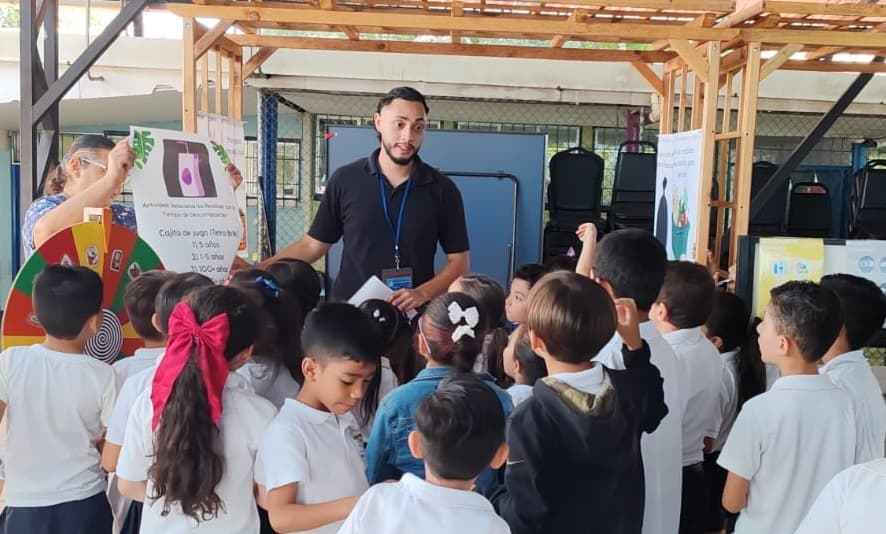
Founder and CEO Leonardo Mendoza holding a sorting education workshop at Escuela Bello Horizonte in Escazú, Costa Rica
Leonardo's drive began in high school during a study-abroad trip to Nicaragua, his parents' homeland. He witnessed families living beside open trash-burning sites, scavenging without protection amid toxic smoke. That image of waste's human cost never left him.
On several family visits over the years, he also saw how waste — often including materials exported from wealthier countries — ends up in these sites and causes contamination, air pollution, soil damage, and wider ecosystem harm. That study-abroad trip was the turning point. It motivated him to study Environmental Studies and build a career around creating fairer, more sustainable waste systems across the Americas.
A lifelong thrifter rooted in reuse culture, Leonardo holds a Bachelor's in Environmental Studies with a concentration in Sustainable Water Resources. For six years in solid waste management, he led outreach to Bay Area governments and communities, presenting data, tabling at events, and becoming a go-to resource for recycling education. He also served as a Peace Corps Response Volunteer in solid waste management in Escazú, Costa Rica — creating education programs for schools, organizing a transfer station and recycling center, and contributing to discussions on extended producer responsibility frameworks.
At LoopFiber, he's building practical, scalable circular solutions for textiles in California and beyond. Starting local and growing with purpose.
Meet the Team
The people behind LoopFiber's mission to close the loop on textile waste.
Leonardo Mendoza
Founder
B.A. in Environmental Studies with a concentration in Sustainable Water Resources. Six years leading recycling outreach across the Bay Area. Peace Corps Response Volunteer in solid waste management in Escazú, Costa Rica — creating education programs, organizing recycling infrastructure, and supporting EPR policy discussions.
Mark Gomez
Co-Founder
A Bay Area native with 8+ years of design experience across health, tech, and now sustainability. After creating a clothing brand, he saw the effects of fast fashion firsthand — the waste, the overproduction, and the environmental toll. That experience sparked a deeper commitment to building something better. Passionate about making impact through design, he found a home in the sustainability space and is driven to make a change in the local community and beyond.
Our Approach
Simple, transparent, and community-driven. We believe solving the textile waste crisis starts with local action and honest partnerships.
Transparent
Every pickup is documented. Every pound is tracked. Our dashboard gives clients real-time visibility into diversion, impact, and even data from products we sell from their material.
Community-Driven
We start in the Bay Area — partnering with like-minded businesses to build a circular textile economy and keep waste local and valuable.
Circular
From collection to sort, wash, shred, and recycle — into textile-to-textile fabric or handcrafted paper and compostable mulch. One roof, no downcycling.
The Time Is Now
California is leading the nation in textile waste reform — and LoopFiber is built for what comes next.
On September 28, 2024, Governor Newsom signed SB 707 into law — the Responsible Textile Recovery Act of 2024, California's first Extended Producer Responsibility (EPR) program for textiles. It's a landmark shift: producers of apparel and textile goods sold in California must now take responsibility for the end-of-life management of their products.
Under SB 707, producers are required to form and join a Producer Responsibility Organization (PRO) and develop a statewide plan for the collection, transportation, repair, sorting, and recycling of textiles. The PRO must submit its plan to the Department of Resources Recycling and Recovery (CalRecycle) and conduct statewide needs assessments every five years.
The law carries real weight — producers who fail to comply by July 1, 2030 face civil penalties of up to $10,000 per day, or $50,000 per day for intentional violations. It shifts the cost of textile waste management from consumers and taxpayers to the companies that create the products.
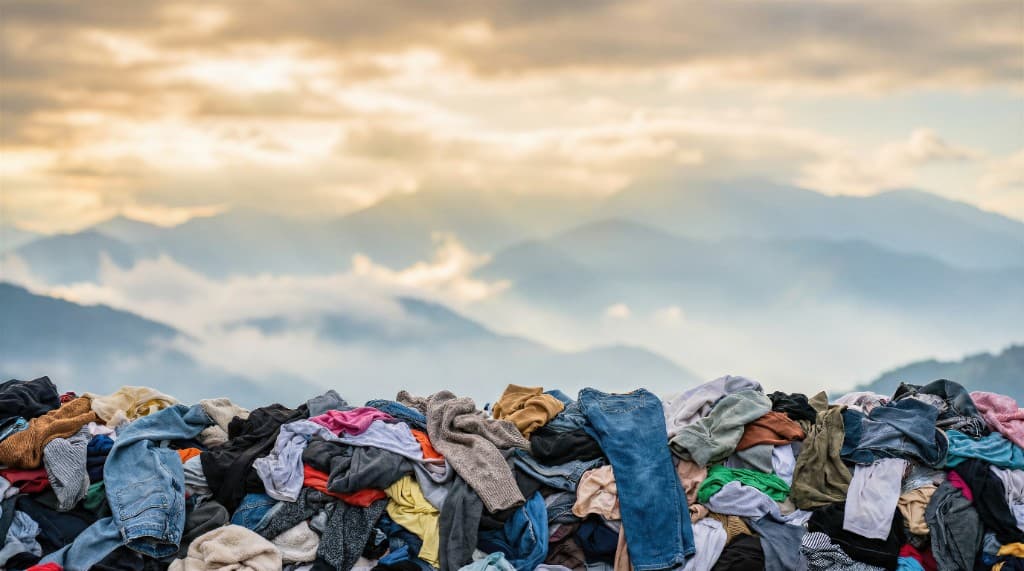
In 2021, approximately 1.2 million tons of textiles were disposed of in California — despite 95% being reusable or recyclable. SB 707 addresses this gap head-on, and LoopFiber's infrastructure for collection, sorting, recycling, and transparent data reporting positions us to be a key partner in this new landscape.
The legislation validates what we've been building from day one. The circular textile economy isn't a future concept — it's California law.